
How to Flip a Sheep (And Everything Else Week 4 Taught Us at Wool & Wonder Farm)
Nobody tells you that the hardest part of learning to flip a sheep is the moment right before you try. You’ve watched the demonstration. You understand the mechanics—bend the head, press the hip, guide them down. It sounds simple. It looks simple when someone who has done it a thousand times does it in front of you. And then it’s your turn.
Week four at Wool & Wonder Farm was full of moments like that. Moments where we knew what we were supposed to do, tried it anyway, and discovered the gap between knowing and doing is exactly where the learning lives. Here’s what that looked like.
It Started With Six Inches of Mud
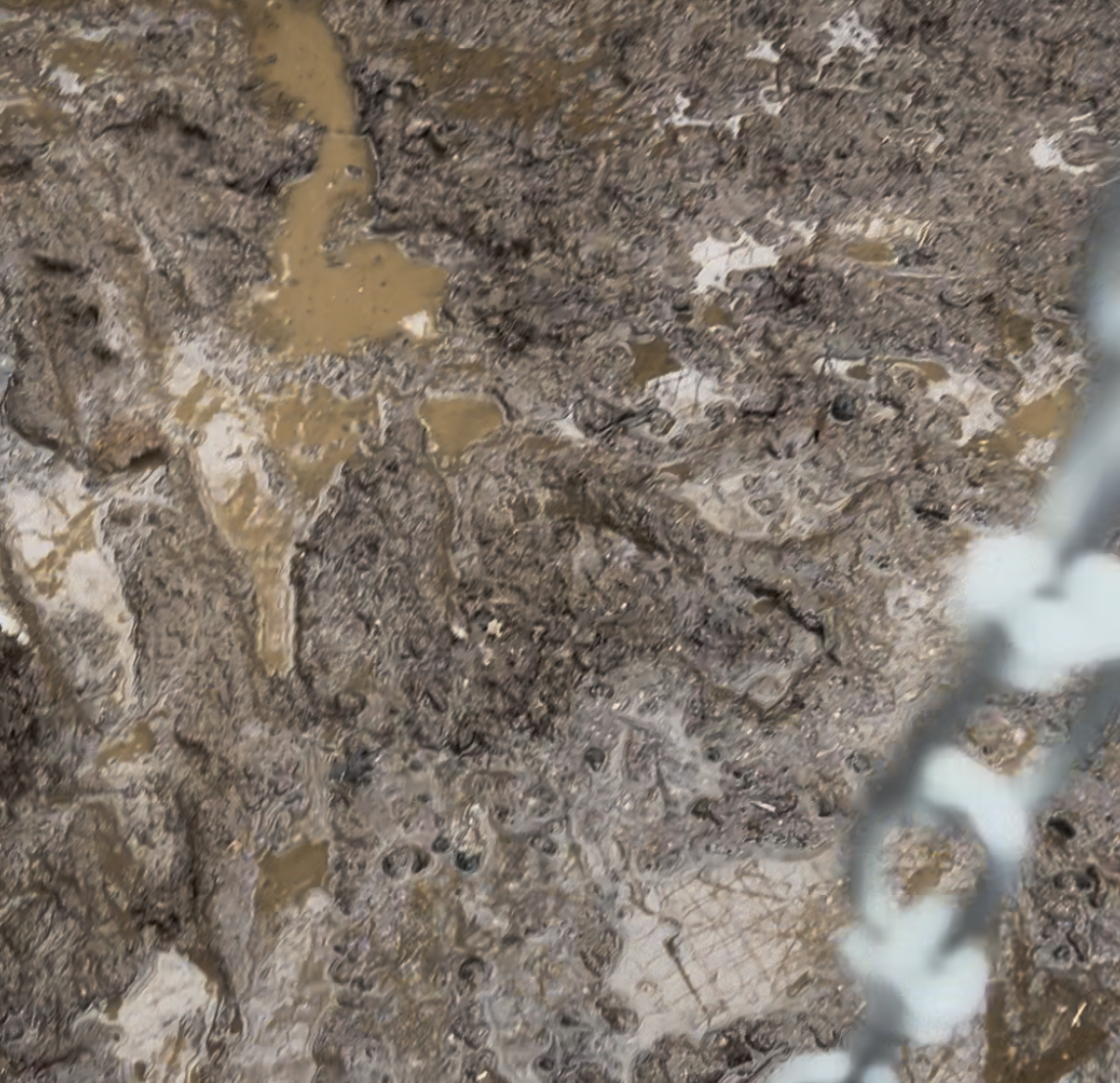
Monday morning at the farm after a long winter is not a gentle reentry. We were dealing with at least six inches of mud in both the barn and the chicken coop—the kind that grabs your boot and doesn’t let go, the kind that makes you reconsider every choice that led you here. It was, in a word, disgusting.
We decided to let the chickens free range while we cleaned out the coop that had been sitting through the entire winter. Reasonable plan. Within an hour, a hawk had other ideas, and the chickens went right back in. Farm one, us zero.
Daylight Savings Hit Harder Than Expected
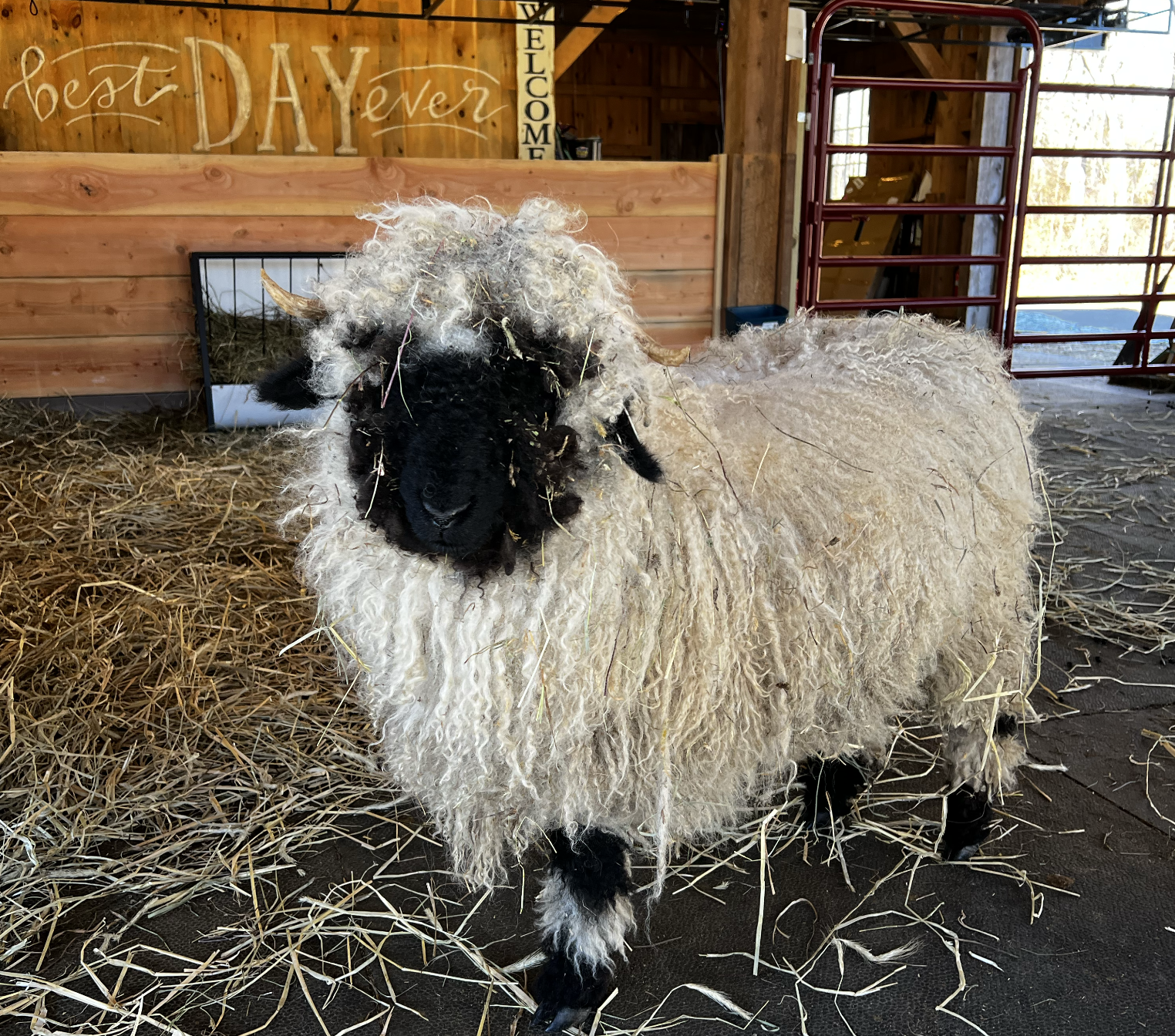
That first Monday after the time change is brutal no matter where you live. On a farm, it’s a little more noticeable. Everyone—us, the animals, Ian the ram—seemed slightly off. Ian, for his part, is overdue for a shear and genuinely cannot see where he’s going right now. He’s next on the priority list.
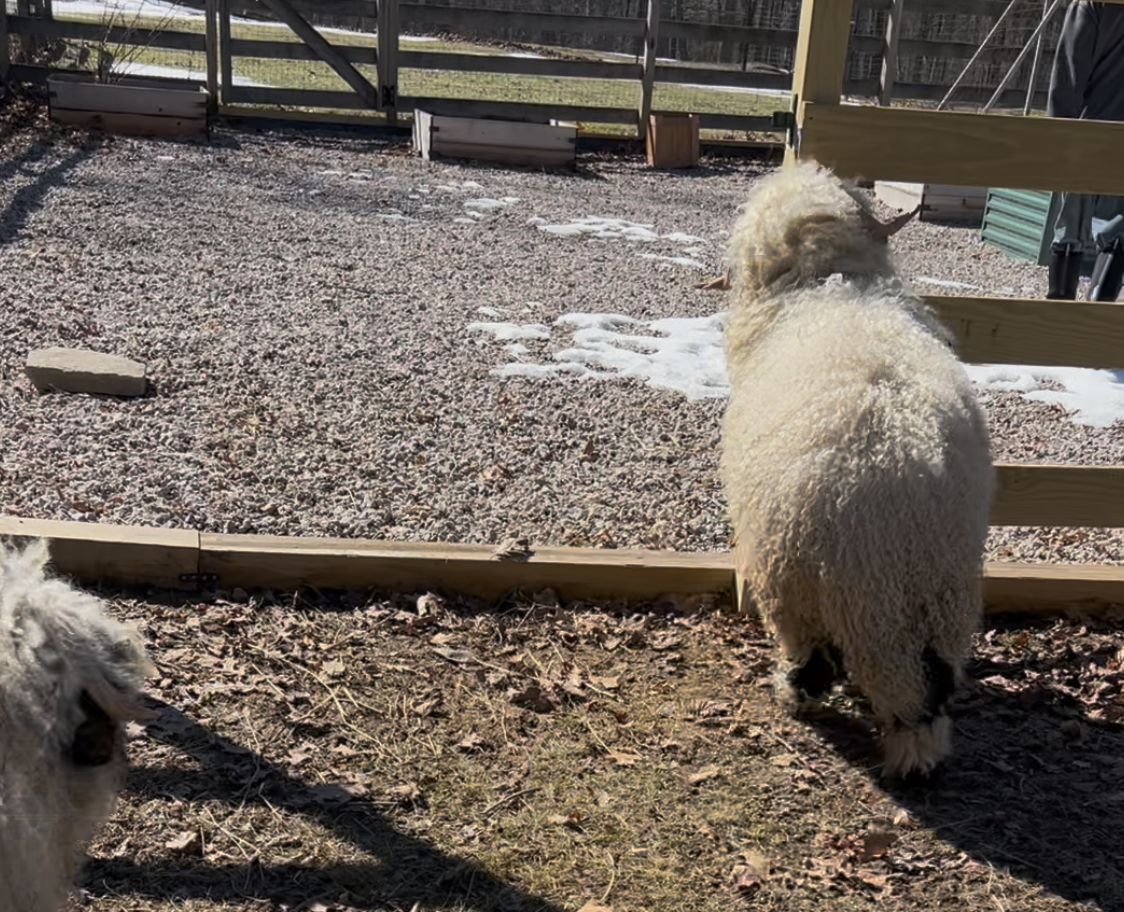
Ian banged right into the fence. 🤣
Opening Shade Pasture: New Territory, New Personalities
One of the highlights of the week was opening up shade pasture for the girls. New terrain is real enrichment for sheep—they are curious, deliberate animals, and watching them explore a space for the first time is genuinely entertaining.
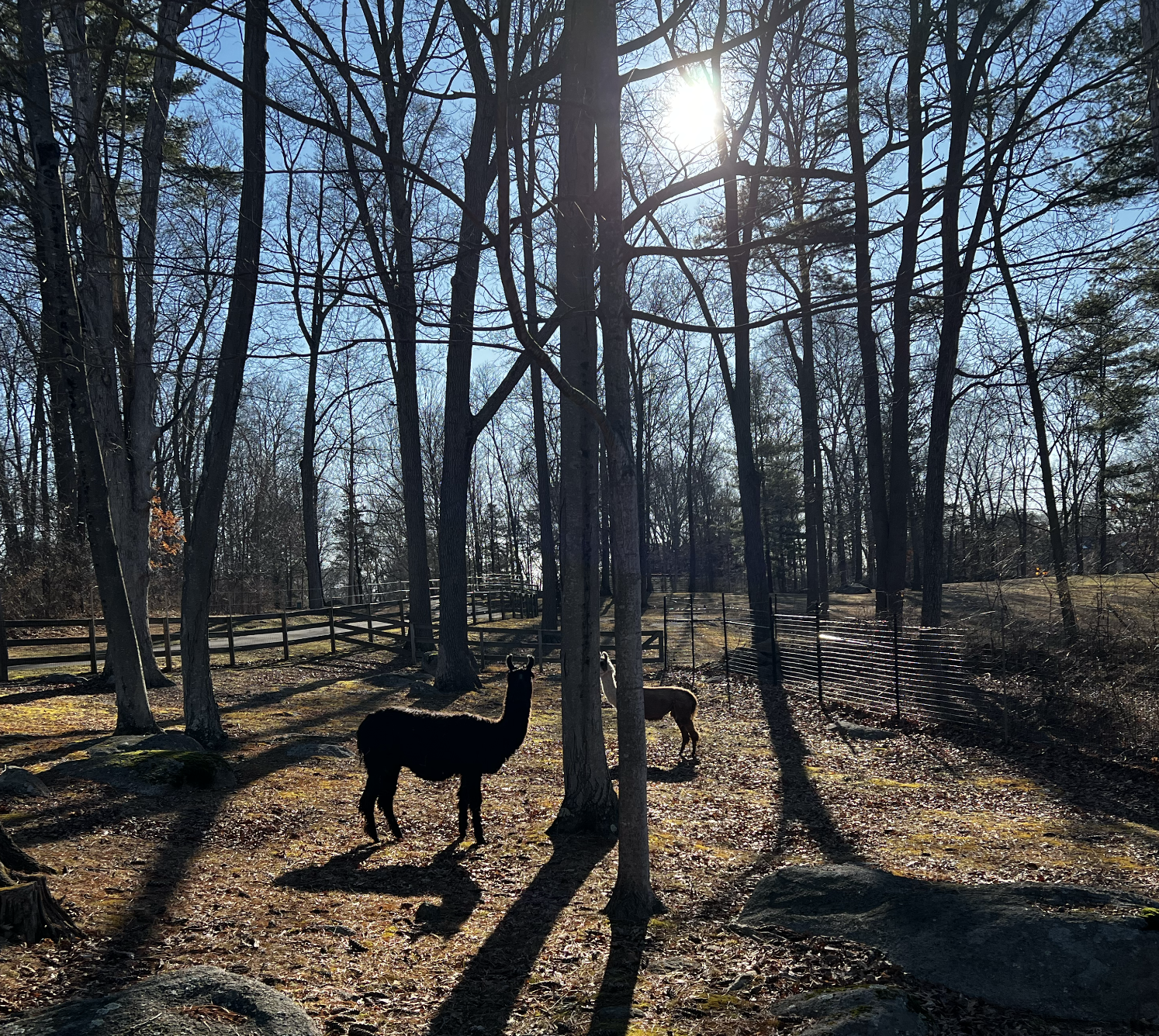
Kuzco took to it immediately, methodically mapping the rocks and pine trees like she was filing a report. Candy, true to form, kept her distance and hummed. We’re learning that Candy’s default response to anything new is a low, skeptical hum, and we’ve come to find it deeply endearing.
One Problem: The Trees Need Wiring
Sheep will eat bark. We knew this in theory. Watching them eye the trees in shade pasture made it very practical, very fast. Wiring the trees is now on the urgent list. Not the “we’ll get to it” list—the actually urgent one.
Introducing the Boy Band: Nick, Max, Ian & Gatsby
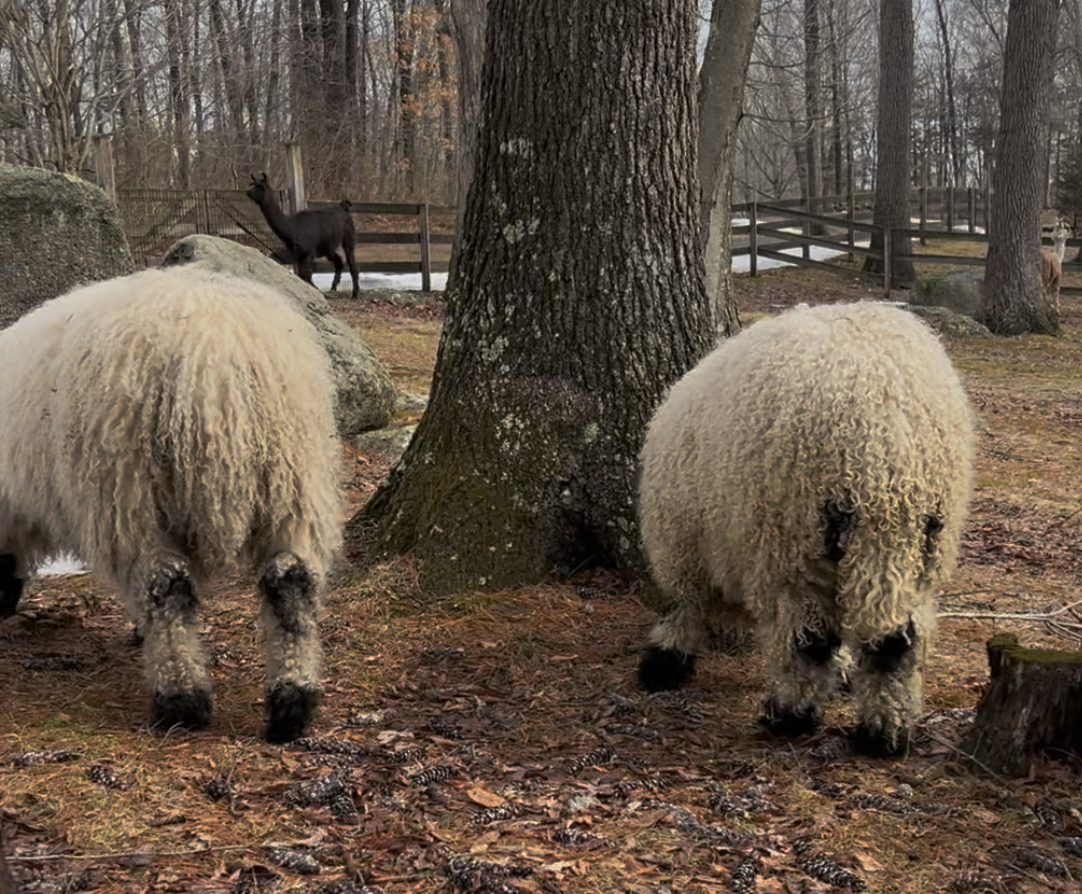
Tuesday was the big introduction. Tammy from Wing and a Prayer Farm brought Gatsby and Nick, arriving freshly sheared and ready to meet our existing rams. We were braced for drama—headbutting, posturing, the whole thing. Rams have a reputation.
What actually happened was almost anticlimactic. They sorted themselves out quickly and quietly. Nick, Max, Ian, and Gatsby settled into their group with a ease that surprised everyone watching. We’ve since started calling them the boy band, and it fits.
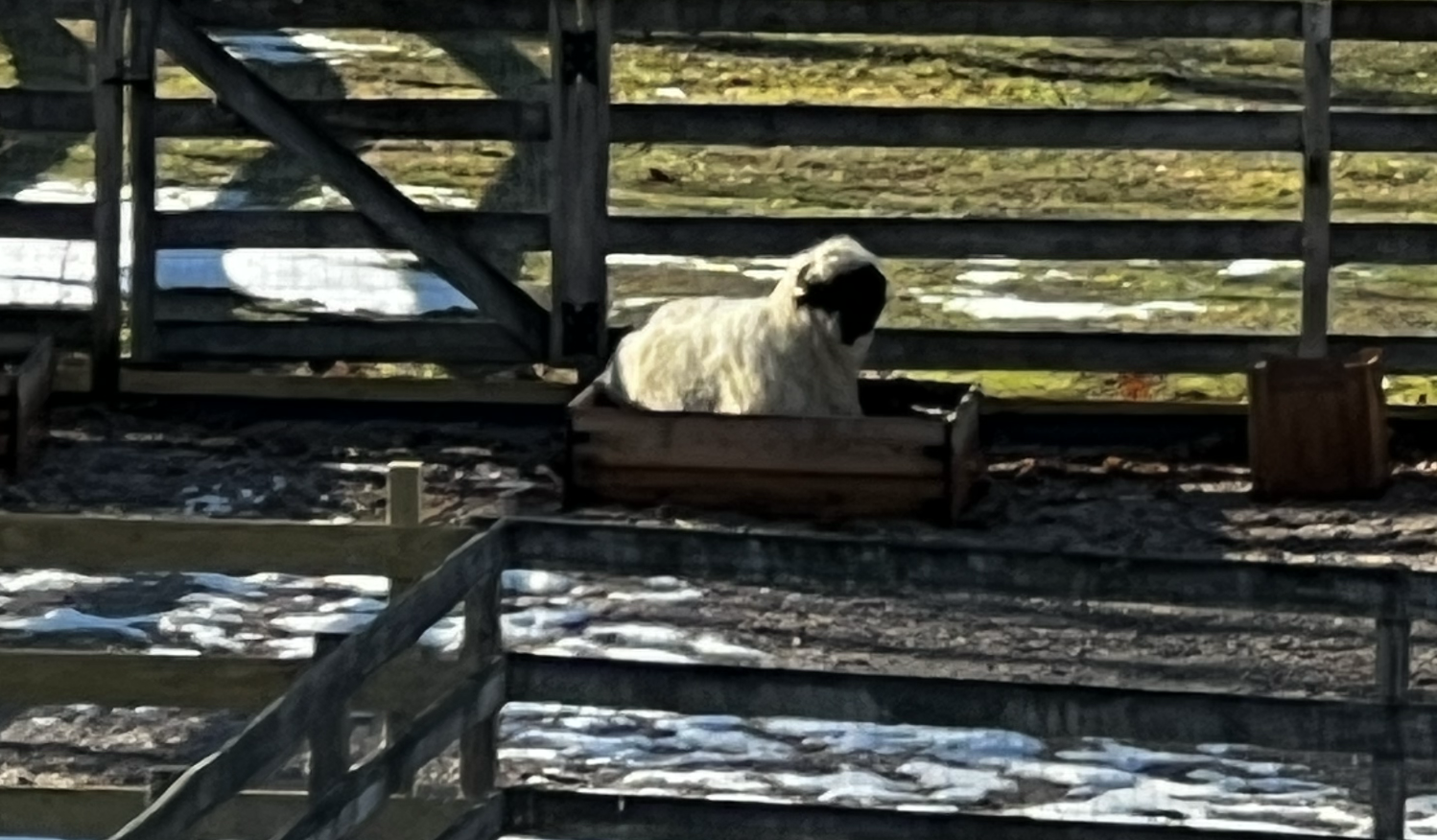
We’re also discovering what sheep find amusing: sitting in garden beds, sniffing coffee, angling for sugar, wanting to know what you’re holding at all times. They are funny and strange and completely compelling.
Learning to Flip a Sheep (And Actually Doing It)
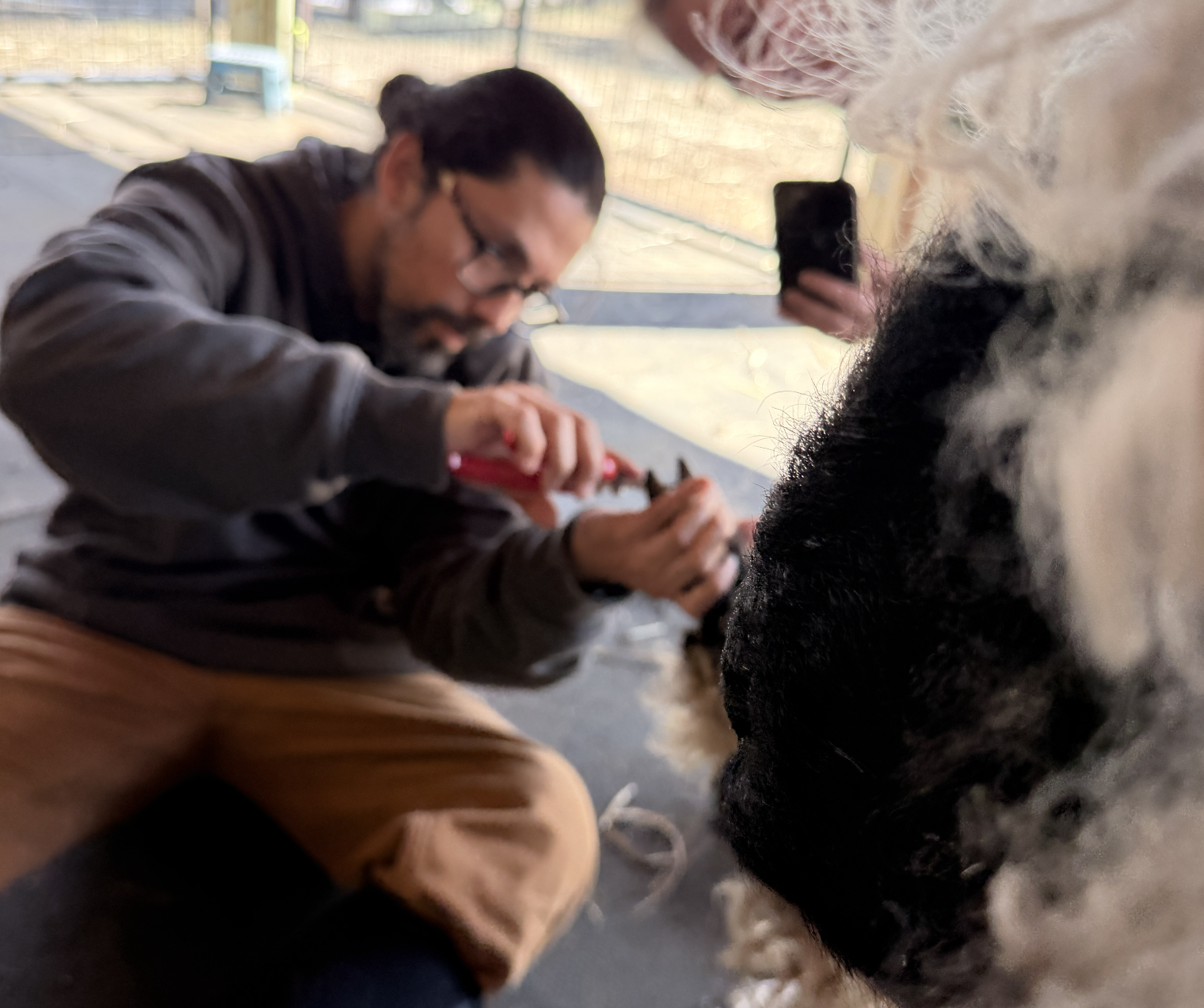
Nora taught us the technique using Maisie as the demo sheep. The instruction sounds deceptively simple: bend the head back toward the shoulder, press at the hip, and guide the sheep down onto its hindquarters. Once a sheep is sitting on its butt, it stops fighting you. It becomes manageable—easy to trim, easy to hoof pick, easy to examine.
Hoof Trimming: Easier Than It Looks
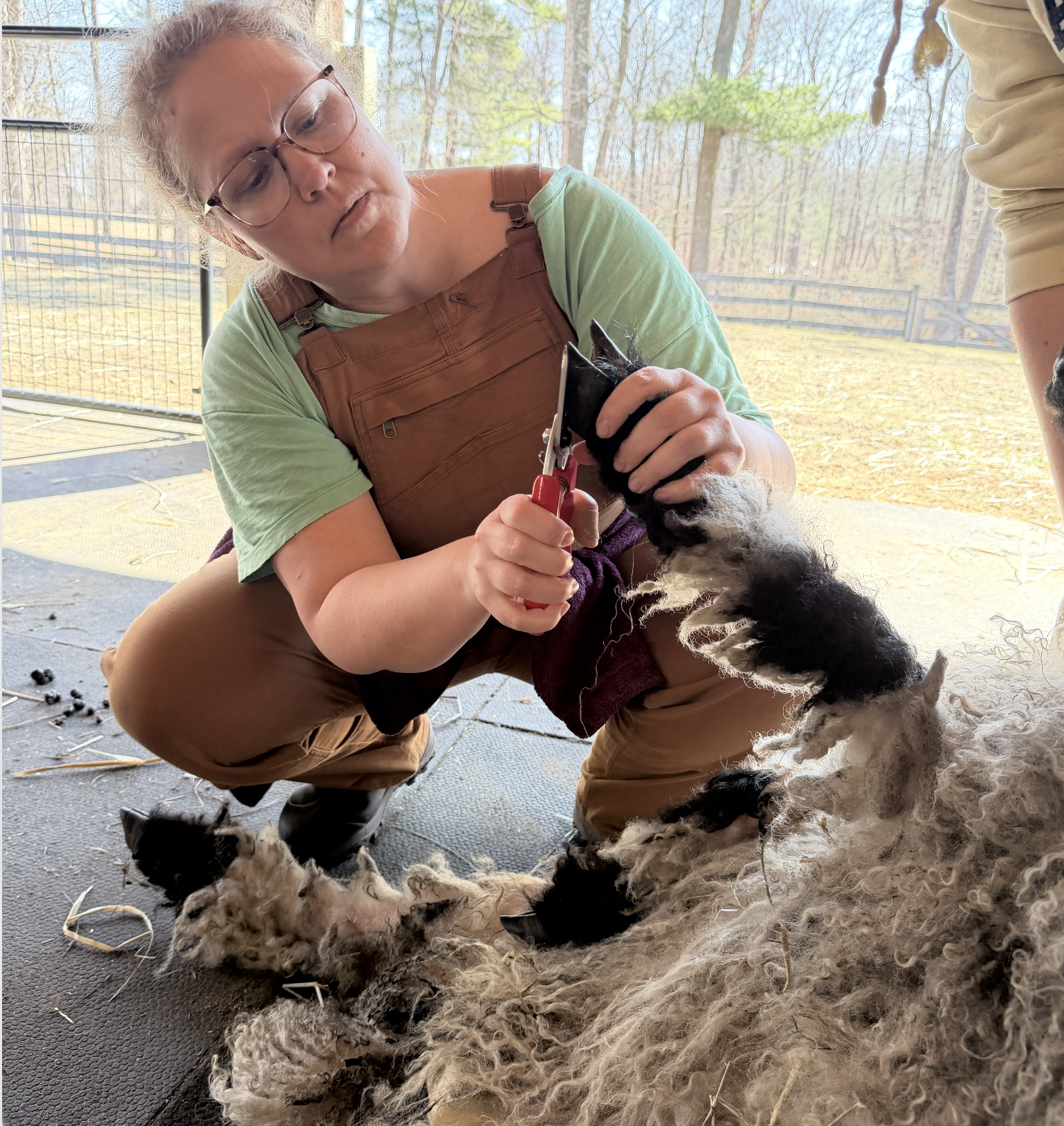
Once you have the sheep down, hoof trimming is genuinely not that hard. Both AC and I practiced, and the mechanics are manageable. You’re looking for overgrowth, rot, anything that shouldn’t be there. The tools do most of the work.
The flip is where the difficulty lives. On the first day of practice, I could not get it. I tried hard. It didn’t happen. After Tammy and Nora left, I tried again on my own—and I got it. No witnesses. No documentation except my own certainty that it happened. I’m counting it.
Building a Daily Rhythm: One Hour In, Twenty Minutes Out
One of the biggest shifts of the past month has been the development of a real daily routine. Morning rounds take about an hour. Evening check-in is around twenty minutes. That’s it—that’s the shape of a farm day, and we’re starting to move through it with something that actually resembles competence.
Leash Training at Feeding Time
Feeding time without structure is chaos. Sheep shove. They steal from each other. They don’t care about your grain portioning plan. We’ve started leash training during meals so each animal eats their allotted amount without the free-for-all. It’s working, slowly but noticeably.
We’re also building the fencing systems that will let us move animals between spaces—out to pasture during the day, in at night. The infrastructure is taking shape around the routine, which is exactly how it should go.
One Month In: What We Know Now
The first month at Wool & Wonder has been equal parts humbling and wonderful. We’ve cleaned up after winter. We’ve navigated a hawk scare, a time change, a ram introduction, and a hands-on sheep husbandry lesson—all in the same week.
What we know now that we didn’t know a month ago: sheep have distinct personalities, and they reveal themselves slowly. The routine matters more than any single skill. The gap between knowing and doing is where you actually become a farmer. And sometimes you flip a sheep when no one is watching, and that still counts.
Week five is already underway. Ian is getting sheared. The trees are getting wired. We’re figuring it out as we go—which, it turns out, is exactly how this works.
For more behind the scenes, be sure to follow us on YouTube,TikTok,Instagram, andFacebook!