
Week Two at Wool & Wonder Farm: Blizzards, a Freed Feral Cat, and the Art of Not Panicking
Week two hit us with a test we weren't expecting: a historic blizzard, the kind Connecticut hasn't seen in over a decade. Two feet of snow, howling winds, and the kind of cold that makes you question every life decision that led you to caring for livestock in February.
Saturday morning, as the storm was building, I started to worry. The wind was whipping through the barn, and all I could think about was whether Kassie, Maisie, Max, and Candy would be okay. I did what any reasonable new shepherd would do... I fretted, I paced, and then I asked Ac to build a temporary wind wall to shield the sheep from the worst of it. He got it up just in time for the brunt of the storm.
And then the sheep stood in the middle of the blizzard anyway.
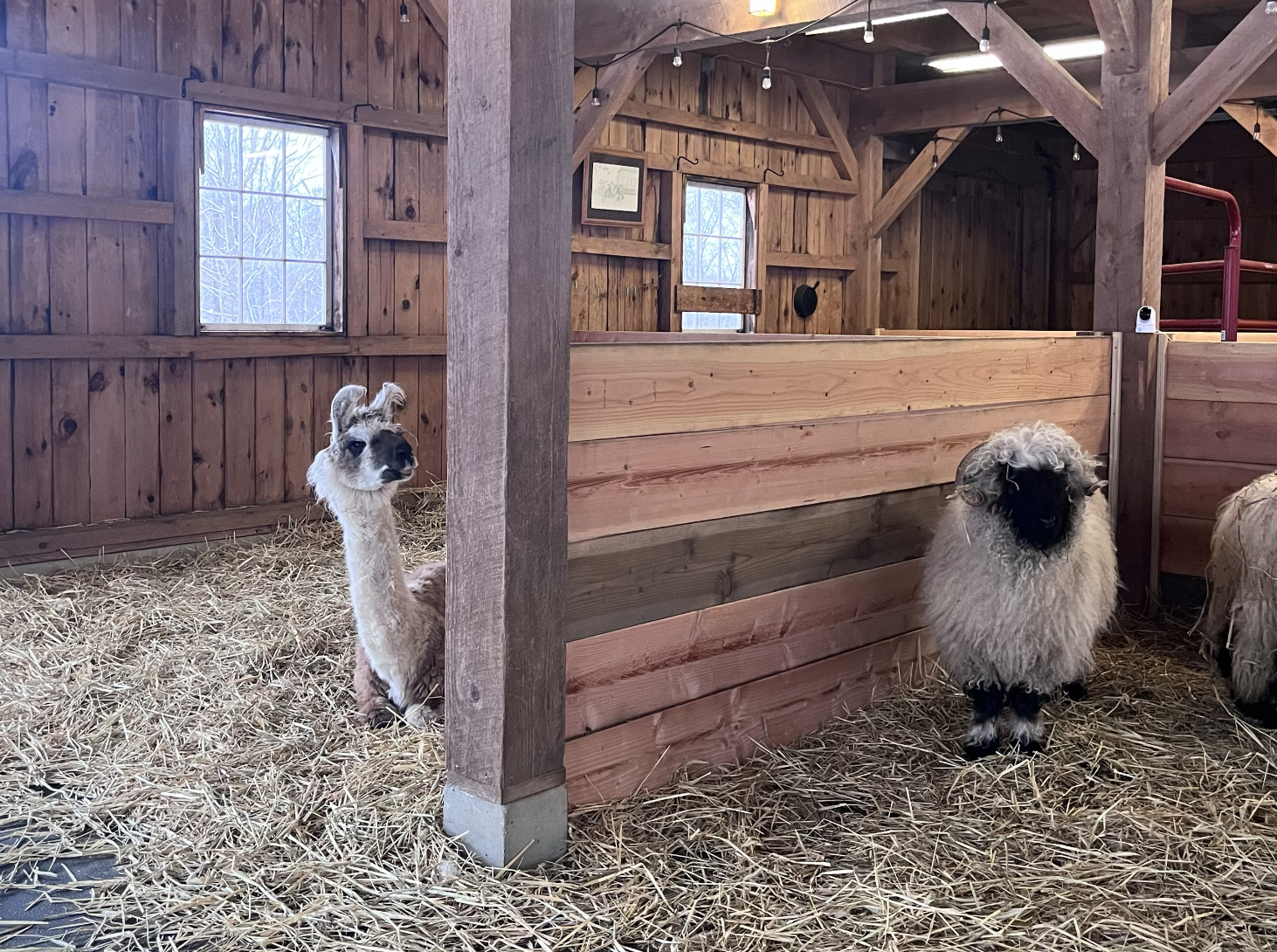
By Monday morning, the wind wall had done approximately nothing. The barn was full of snow. The sheep were full of snow, their woolly coats packed with the stuff like they'd been rolling in powdered sugar. And they looked at me with an expression I can only describe as mild boredom. Not concerned. Not cold. Not even slightly bothered. Just... sheep, doing sheep things, completely unbothered by the weather event that had me up half the night checking the barn camera.
I'm learning that Valais Blacknose sheep are built for exactly this kind of weather. Those magnificent fleeces aren't just adorable - they're serious insulation. What felt like a crisis to me was apparently just a Tuesday for them. Note to self: the sheep are fine. It's the shepherd who needs the coping mechanisms.
Glacier Gets Her Freedom
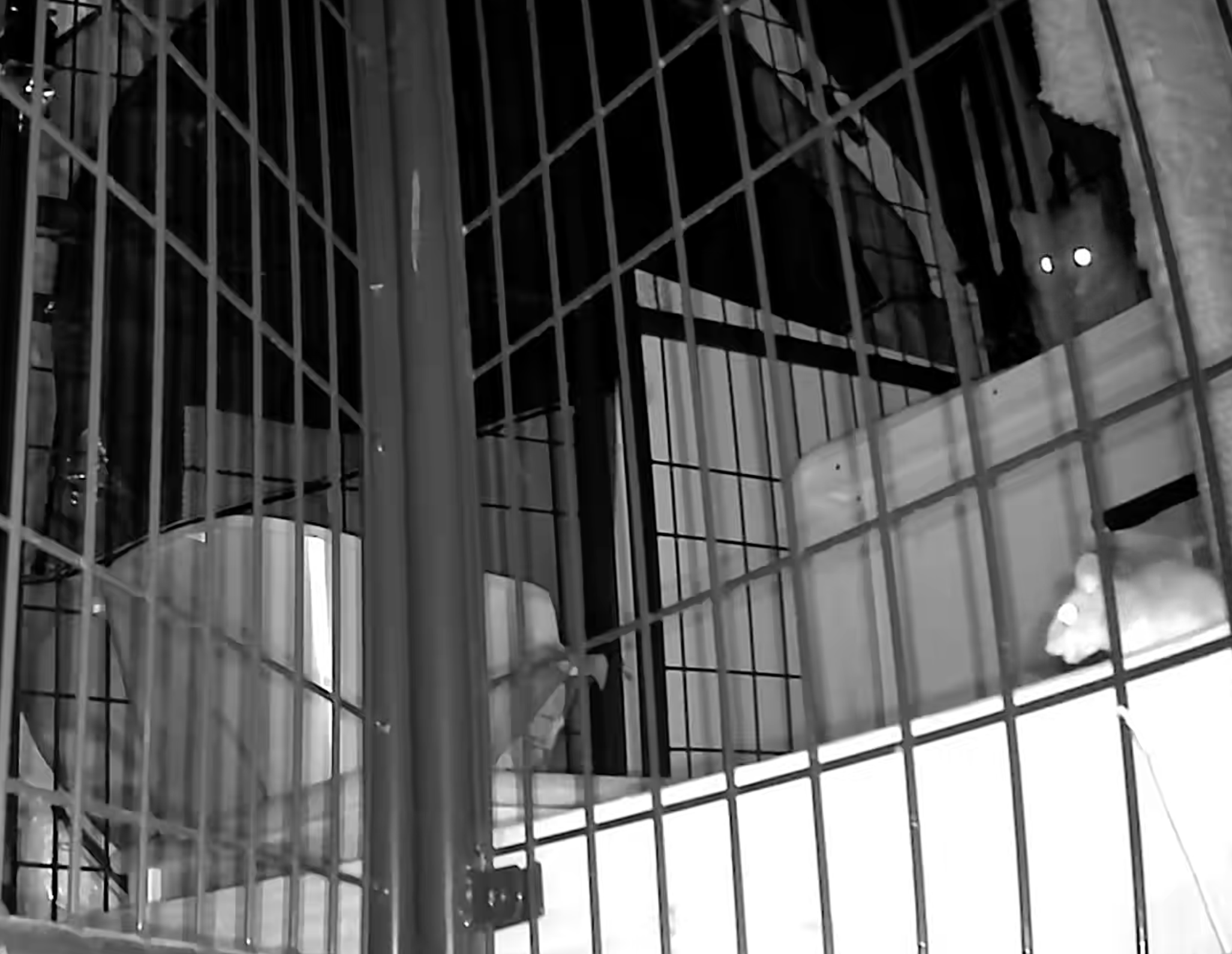
The other big milestone this week was releasing Glacier, our barn cat. For those following along, Glacier is one of three semi-feral cats we took in from a rescue situation. She spent about six weeks locked in the barn, getting acclimated to the space and (hopefully) imprinting on it as her home base. The idea was simple: keep her contained long enough that she'd recognize the barn as her territory, so that when we finally opened the door, she wouldn't bolt into the Connecticut countryside and disappear forever.
The moment of truth came, and I held my breath.
The good news? She didn't run. That was my biggest fear — that weeks of careful socialization and patience would end with me watching a gray blur vanish into the tree line. Instead, Glacier calmly surveyed her expanded kingdom, found her favorite spot on the cat condo, and settled in.
The bad news? She seems perfectly content to watch the mice scurry past like it's her own personal nature documentary. Not a pounce. Not a stalk. Not even a twitch of interest. She sits on her cat condo like a queen on her throne, observing the mice with the detached curiosity of someone watching a mildly interesting cooking show.
I have a theory: the wet food might be a little too generous. When you're getting gourmet meals delivered twice a day, why would you chase your dinner through dusty barn corners? I think it's time to scale back on the room service and let her natural instincts kick in. We'll see if a little hunger makes the mice look less like entertainment and more like lunch.
The Hay Equation
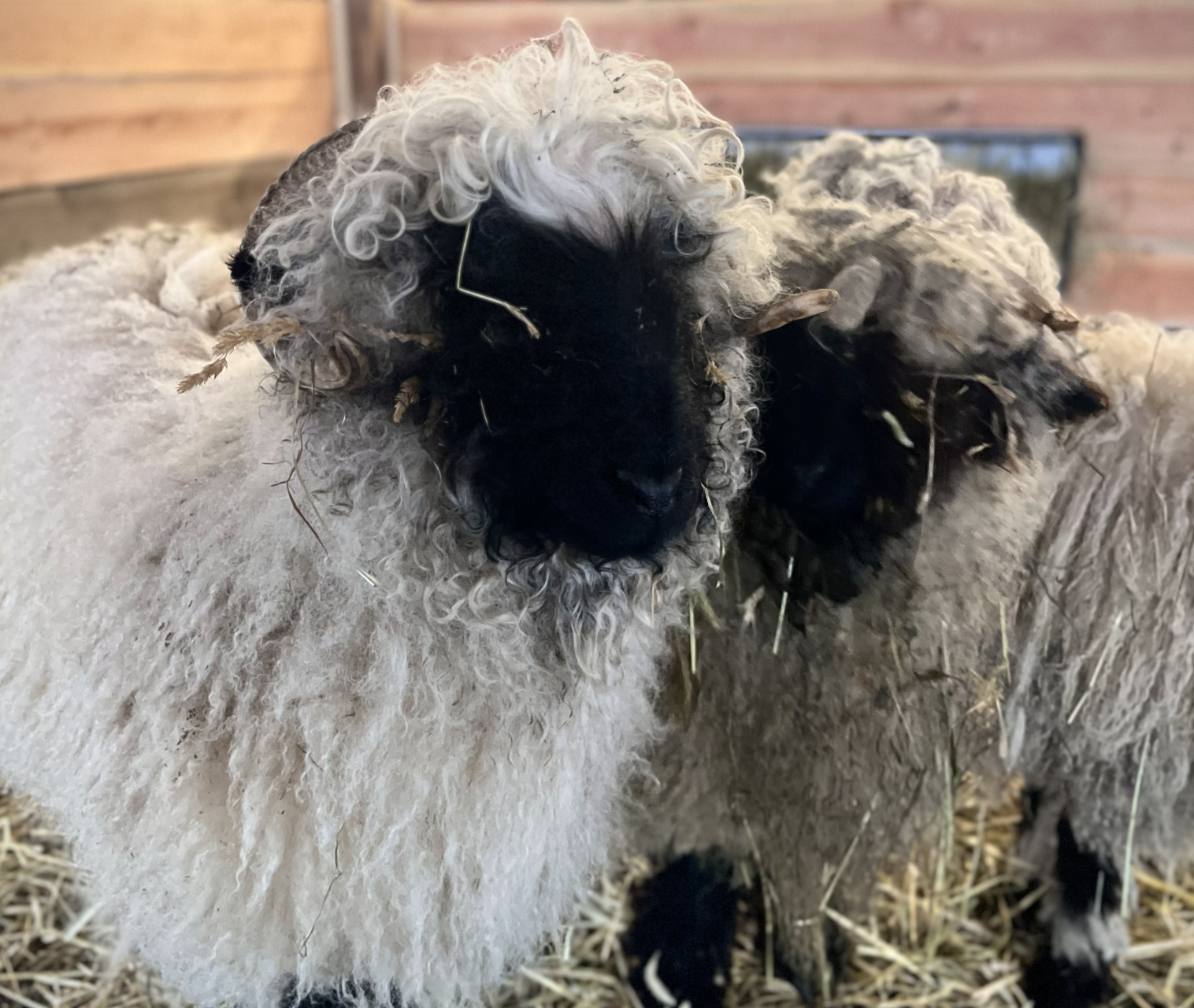
Meanwhile, the sheep are thriving. Kassie has fully settled in and has decided that scratches and kisses are not optional... they are, in fact, a requirement of our relationship. Every time I walk into the barn, she's waiting, leaning into me, demanding attention. It's the kind of thing that makes all the early morning feedings and blizzard panics worth it.
What I haven't quite cracked yet is the hay situation. It turns out that feeding sheep is less of a science and more of an ongoing negotiation. Put out too much hay and they waste it — pulling it out of the feeder, trampling it, using it as bedding, doing everything with it except eating it. Put out too little and I walk in to find three sets of eyes staring at me with a look that says, "Excuse me, ma'am, we'd like to speak with the manager."
I'm still searching for that sweet spot, and I suspect it's going to be a moving target as the seasons change and their needs shift. For now, I'm erring on the side of generosity and accepting that some hay waste is just the cost of doing business with animals who treat their food like a craft project.
Preparing for the Next Chapter
As if the blizzard and Glacier's liberation weren't enough excitement, we're now deep into logistics mode preparing for our next arrivals. Two new sheep are on their way: Ivy and Ian, both seven months old. Ian is a ram and Ivy is a ewe, and they're going to add a whole new dynamic to the flock.
We also have a second llama joining us. His name is currently Max, but since we already have a lamb named Max, we're going to need to do some rebranding. Two Maxes in one barn is a recipe for confusion — especially when one is a fluffy lamb and the other is a six-foot guardian llama. Name suggestions are welcome.
Here's where things get complicated. Ivy and Ian were originally supposed to arrive the day of the blizzard, which obviously didn't happen. Now their timeline has shifted, and they won't be here when the new llama arrives. Llamas are herd animals — they don't do well alone. So the plan is to temporarily keep him in our breeding pen so he has some proximity to the other animals while we wait for Ivy and Ian to arrive via transport truck.
And speaking of the transport truck... I am, to put it delicately, stressing magnificently about the whole thing. Will they be scared? Will they be okay on the journey? Will they come off the truck traumatized? I've been researching transport protocols and preparing a quiet, comfortable receiving area, but the worrying hasn't exactly subsided.
I think this is the part of farming where I need to develop what I'm calling my "inner farmer thick skin." The seasoned breeders I've talked to assure me that sheep are resilient, that transport is routine, and that animals handle transitions better than their humans give them credit for. I believe them intellectually. Emotionally, I'm still a work in progress.
The Bigger Picture
Two weeks in, and Wool & Wonder Farm is starting to feel real in a way it didn't when it was just a dream on paper. The barn smells like hay and lanolin. There are sheep prints in the snow. A formerly feral cat is lounging on a cat condo watching mice like they're a screensaver. And I'm learning — about hay ratios and wind walls and when to worry and when to trust that the animals know what they're doing better than I do.
That last part might be the biggest lesson of all.
Week three is going to bring new animals, new logistics challenges, and probably a few more moments of me stressing while the sheep look on, completely unfazed. I wouldn't have it any other way.
Follow along with our journey at Wool & Wonder Farm as we build something beautiful from the ground up — one woolly face at a time.
For more behind the scenes, be sure to follow us on YouTube, TikTok, Instagram, and Facebook!